Cowboy Killer Design: A Designer’s Review
When I browse through digital design assets, most files feel like they were made just to fill a quota. They lack soul, practical application, or the specific punch needed to make a handmade product stand out on a crowded shelf. That is why evaluating a new machine embroidery design requires more than just looking at the preview image; it demands a mental simulation of how those stitches will interact with fabric, thread, and tension.
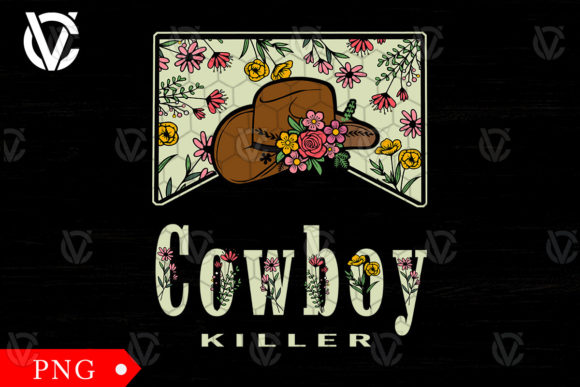
This review focuses on the Cowboy Killer Design, a digital embroidery file that promises a bold aesthetic. As someone who has stitched hundreds of designs for client projects, custom apparel, and boutique branding, I am looking for clarity, balance, and commercial viability. Does this design hold up under the hoop? Will it translate well to a tote bag design or a sweatshirt embroidery project? Let’s break down the visual personality and practical utility of this asset.
First Impressions: Mood and Visual Personality
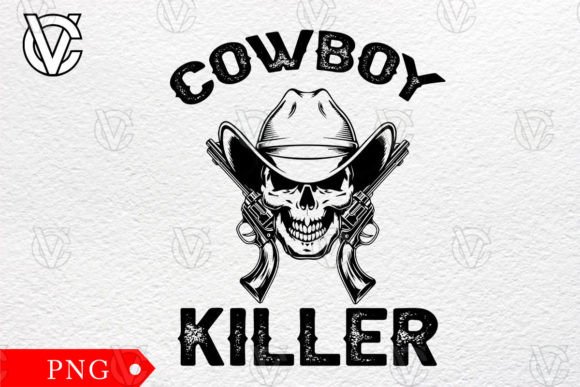
The name alone sets a tone. "Cowboy Killer" suggests a rugged, Western-inspired aesthetic with an edge. In the world of embroidery project planning, mood is everything. If the design feels cluttered or ambiguous, the finished product looks amateurish. From what we can gather from the provided specifications—a high-resolution 4500x5400 pixel PNG—the visual layout appears substantial enough to command attention.
For a designer, the immediate question is always about detail level. Is this a simple outline waiting for heavy fill, or does it have intricate elements that require precise stitching? The concept implies strong shapes, likely involving hats, boots, or stylized figures common in Western themes. This kind of imagery works exceptionally well for custom apparel because it taps into a recognizable cultural iconography. It feels confident, slightly rebellious, and undeniably thematic. It doesn’t try to be subtle; it aims to be a statement piece.
When I imagine placing this on a garment, I don’t see it as a faint watermark. I see it as a focal point. This makes it ideal for back prints on hoodies or centered chest logos on denim jackets. The visual weight seems appropriate for adults and teens, perhaps less so for delicate baby items unless scaled down significantly and softened with color choices.
Real-World Application: Where This Design Shines
I recently considered using a similar rugged aesthetic for a batch of personalized gifts for a local rodeo event. The Cowboy Killer Design fits naturally into that niche. Here is how I see it performing in actual production scenarios:
- Custom Apparel and Sweatshirts: This is the strongest use case. On a heavyweight cotton sweatshirt, the design would pop. The contrast between the fabric texture and the smooth threads (assuming proper thread colors are chosen) creates a premium look. It appeals to the Etsy seller or small shop owner looking for trending niches.
- Embroidered Patches: If you plan to add a backing or border, this design could easily serve as the centerpiece of a morale patch. The bold lines would survive the trimming process well, provided the outer edges aren’t too fragile.
- Tote Bags and Aprons: For a canvas tote, this design adds a layer of personality beyond simple text. It transforms a basic accessory into a fashion statement. Similarly, on a kitchen apron, it adds a touch of humor and style for the home cook who loves Western vibes.
- Holiday Embroidery and Gifts: Think about gifting. A personalized cap or a pillow cover featuring this design makes for a memorable gift for birthdays or holidays. It has that "wow" factor when unwrapped.
In terms of brand consistency, if you run a boutique focused on Americana, country music, or outdoor lifestyles, this design asset aligns perfectly. It helps build a cohesive identity across your product line, whether you are selling physical goods or offering printable mockups for others.
Practical Considerations and Stitching Challenges
However, not every design is created equal, and even great art can fail if executed poorly. There are specific areas where you must exercise caution with the Cowboy Killer Design.
First, consider the hoop size. If the original artwork contains tiny details—like individual strands of hair on a horse or fine textures on a hat brim—you need to ensure your machine can resolve them. Small hoops often compress fabric, which can distort fine lines. If the design includes satin stitch borders around complex shapes, check that the stitch density isn’t so high that it puffs up and loses definition.
Fabric choice is equally critical. While this design might look stunning on a stiff canvas tote, it could struggle on stretchy jersey knits without proper stabilization. Thin fabrics may show the stabilizer underneath, ruining the clean finish. I strongly advise testing this on scrap fabric first. Pay close attention to how the fill stitch areas behave. Do they lay flat? Do they create unsightly gaps? And what about the running stitch accents? Are they long enough to snag?
Another factor is color contrast. The provided description mentions a transparent background PNG, which is excellent for pre-visualization, but it doesn’t tell you how the thread colors will interact with dark vs. light fabrics. On dark fabric, you’ll need white or bright metallic threads to maintain visibility. On light fabric, darker threads provide better definition. Always test your thread colors against your target material before committing to a full production run.
Technical Notes for the Savvy Designer
As a reviewer, I must highlight the technical limitations of the information available. The product is listed as a digital item containing a ZIP file with a single high-resolution PNG. This is primarily a graphic asset, not necessarily a ready-to-stitch .PES or .DST file unless converted by the user.
If you are converting this graphic into an embroidery file yourself, you bear the responsibility for setting the correct stitch types. You will need to decide which parts should be applique design elements, which should be dense fills, and which should be simple outlines. This manual step allows for customization but requires skill. If you are purchasing this as a final machine embroidery design, please verify the file format compatibility with your specific embroidery machine model.
Also, consider the licensing. Before you start selling small shop products or listing items on Etsy, confirm whether the purchase grants commercial rights for embroidered goods. Some digital graphics allow print-on-demand sales but restrict physical merchandise. Clear licensing prevents legal headaches later.
Final Verdict
The Cowboy Killer Design offers a strong, marketable aesthetic that resonates with a specific, passionate audience. It is versatile enough for personalized gifts, commercial embroidery projects, and creative craft business ventures. Its strength lies in its bold theme and clear visual hierarchy, making it easy for customers to understand the message at a glance.
However, success depends on execution. Test your stitch density, choose your stabilizer wisely, and respect the limits of your machine’s resolution. When done right, this design can elevate a simple piece of clothing into a cherished finished product. For designers looking to add a touch of Western flair to their portfolio, this is a compelling addition worth considering.
Whether you are a seasoned pro or a hobbyist maker, taking the time to evaluate how a design like this performs in real life separates good work from great work. Use this insight to plan your next project, and remember: the best embroidery starts with thoughtful preparation.