Review: Tie Dye, Western Sublimation Design
As a designer who spends half my life staring at stitch charts and the other half troubleshooting thread tension on vintage machines, I don’t just buy embroidery files—I stress-test them. I look for designs that translate well from screen to fabric, designs that hold up under the scrutiny of a customer’s eye, and designs that make the finished product feel expensive rather than mass-produced. Today, I am putting Tie Dye, Western Sublimation through its paces. This is not just another graphic slapped onto a PNG; it is a specific aesthetic choice with real-world implications for your craft business, your Etsy shop, or your personal wardrobe.
The First Impression: Mood and Visual Personality
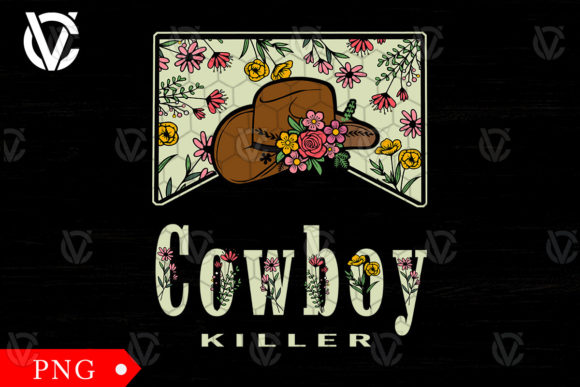
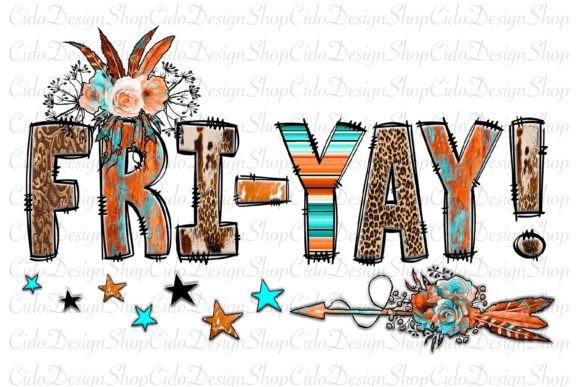
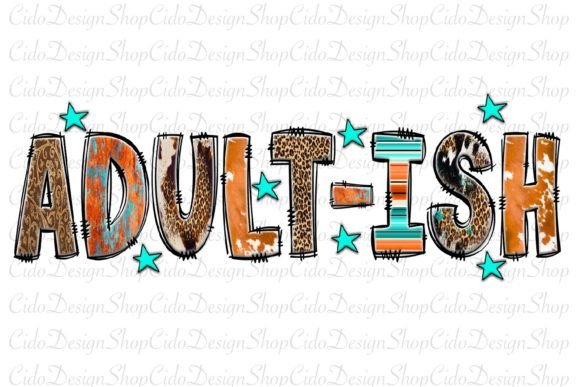
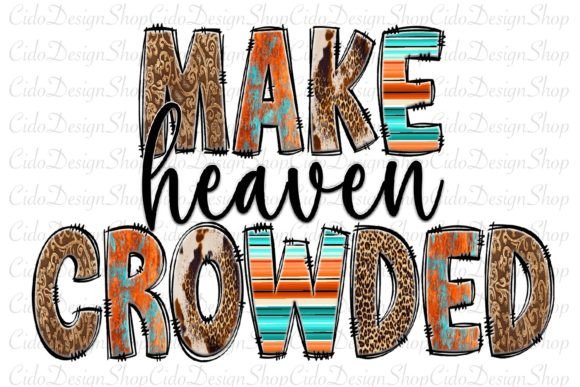
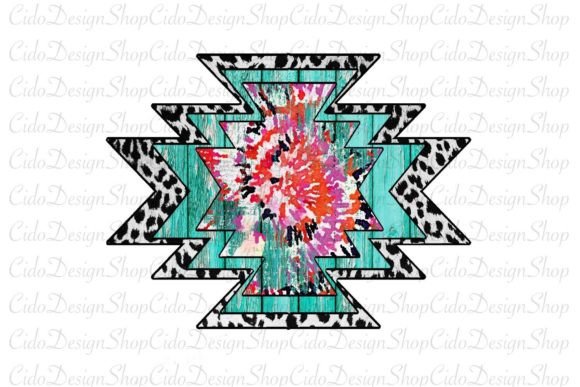
When you first load Tie Dye, Western Sublimation, the immediate takeaway is the blend of rugged Americana with fluid, psychedelic energy. The "Western" element suggests bold shapes—perhaps silhouettes of horses, cowboy hats, or cacti—while the "Tie Dye" aspect introduces soft gradients and organic flow. In the digital realm, this looks vibrant. But does it work as a machine embroidery design? That is the question.
The visual personality here is playful yet grounded. It screams "boho-chic boutique." It feels right at home in a creative entrepreneur’s portfolio targeting millennials and Gen Z buyers who appreciate handmade authenticity. The layout appears balanced, avoiding the cluttered look that often plagues busy sublimation graphics when converted into stitches. For an Etsy seller looking to stand out in a saturated market, this kind of distinct thematic fusion is exactly what drives click-through rates. It doesn’t look like a generic clip-art file; it looks like a curated design asset.
Real-World Application: Where Does This Fit?
I recently imagined using Tie Dye, Western Sublimation for a custom embroidered tote bag project. Picture a sturdy canvas bag featuring this design centered on the front panel. The contrast between the structured weave of the canvas and the fluid, colorful nature of the tie-dye pattern creates a tactile interest that photos alone cannot capture. This would be an excellent addition to a craft business inventory, particularly for summer festivals or back-to-school seasons.
However, the versatility of this embroidery project extends far beyond totes. Here is how I see it performing across different categories:
- Custom Apparel & Sweatshirts: This design would shine on a heavyweight cotton sweatshirt. The western theme pairs naturally with denim jackets or oversized hoodies. When stitched, the fill stitches can mimic the texture of the dye, adding depth that flat printing cannot achieve.
- Baby Embroidery: Soft onesies and burp cloths benefit from gentle, colorful motifs. If the design includes softer elements within the western theme, it could work beautifully for nursery decor or baby shower gifts. The transparency of the PNG source allows for precise placement without unwanted background boxes.
- Personalized Gifts & Holiday Embroidery: Imagine this on a kitchen towel or apron for a hostess gift. The western vibe adds a rustic touch, while the tie-dye keeps it modern. It is perfect for holiday gifting where uniqueness is valued over uniformity.
- Embroidered Patches: With a clean border, this could serve as a detachable patch for backpacks or caps. The high-resolution 300dpi PNG ensures that when you digitize or trace it, the edges remain crisp, which is vital for a professional-looking finished product.
Technical Performance and Stitch Clarity
One of the biggest risks with tie-dye aesthetics in embroidery is losing detail. Digital screens render pixels; needles pull thread. If the gradient transitions are too subtle, they may disappear entirely after stitching. Tie Dye, Western Sublimation seems to rely on broader color blocks rather than minute pixelated shifts, which is a smart move for physical reproduction. This suggests good potential for satin stitch outlines and varied fill stitch textures.
For the stitch density, you want to ensure the design isn’t so dense that it warps the fabric, especially if you are working with lighter materials. The transparent background provided in the PNG file is a huge plus. It means you have full control over placement and layering. You aren’t stuck with a white box around your design. This flexibility is crucial for apparel decorators who need to align patterns perfectly with seams or pockets.
Consider the thread colors. A tie-dye effect relies heavily on color theory. You will need to select threads that mimic the saturation and blending of the original image. Using standard polyester threads might result in a flat look, whereas variegated threads could enhance the "sublimation" feel, creating a dynamic shift in color as the light hits the fabric from different angles.
Where to Be Careful: Limitations and Risks
No design is perfect for every scenario. While Tie Dye, Western Sublimation has strong appeal, there are specific situations where you should exercise caution.
- Small Hoop Sizes: If you attempt to fit this design into a very small hoop (under 4x4 inches), you risk losing the integrity of the western shapes. Tiny details can become muddy blobs. Always check the scale before committing.
- Textured and Stretchy Fabrics: Avoid placing this on highly textured fabrics like heavy bouclé or stretchy spandex blends without proper stabilization. The fluid lines of the tie-dye pattern require a smooth surface to maintain their shape. On stretchy fabric, the stabilizer choice becomes critical to prevent puckering.
- Dark Fabric Backgrounds: While the transparent background helps, dark fabrics can sometimes mute bright tie-dye colors unless you use underlay stitches or specific thread types. Test on scrap fabric first to ensure the contrast pops.
- Curved Surfaces: Applying this to a curved surface like a baseball cap requires advanced technique. The western motif may distort if not mapped correctly to the curve. This is better suited for flat panels or gently curved items like tote bags.
Practical Designer Notes for Success
Before you upload this file to your machine or send it to a production partner, follow these practical steps to ensure your handmade product meets professional standards.
Test on Scrap Fabric: Never assume a design will work perfectly on your final material. Stitch it out on the exact fabric you plan to use. Check for any gaps in the running stitch areas or excessive thread breaks in dense sections.
Review Stitch Density: Look closely at the digitization. Are there areas where the needle penetrates the same spot too many times? Excessive density can cause fabric distortion, ruining the clean lines of the western theme. Adjust the settings if necessary.
Check Contrast in Black and White: Convert your mockup to grayscale. Does the design still have definition? If the colors rely solely on hue differences without value contrast, the design may lack impact once stitched. This is a quick way to gauge visual clarity.
Confirm Licensing: Since this is sold as a digital embroidery file or graphic template, verify the commercial usage rights. Can you sell the finished embroidered items? Can you use it in printable mockups for your shop? Clear licensing protects your small shop product line from legal issues.
Use Proper Stabilizer: Depending on your fabric, choose between cut-away or tear-away stabilizers. For woven cottons, tear-away might suffice, but for knits or heavier denims, a cut-away provides long-term stability, ensuring your custom apparel withstands frequent washing.
Final Verdict
Tie Dye, Western Sublimation is a strong contender for designers looking to add a trendy, textured element to their repertoire. It bridges the gap between rustic western charm and modern psychedelic art, making it highly appealing to a broad audience of creative entrepreneurs and makers. Its high-resolution PNG format offers flexibility, and its thematic richness allows for diverse applications across commercial embroidery, personalized gifts, and boutique branding.
Just remember: the magic happens in the execution. Pay attention to your thread colors, respect the limits of your hoop size, and always prioritize quality control. When done right, this design can elevate a simple tote bag or sweatshirt into a coveted finished product that customers proudly display and wear. For those willing to put in the careful setup work, Tie Dye, Western Sublimation offers a rewarding blend of style and substance.