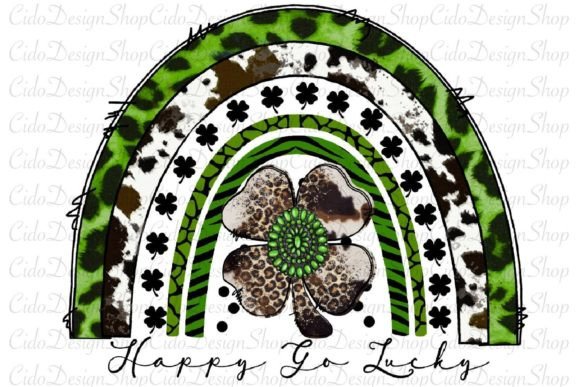
St. Patricks Day Western Sublimation Review
As a designer who spends more time staring at stitch density charts than sleeping, I approach every new asset with a healthy dose of skepticism. The market is flooded with generic clipart, so finding a design that actually translates well into physical embroidery is rare. Recently, I pulled St. Patricks Day, Western Sublimation from the Print Templates and Graphics category to see if it holds up under the needle. This isn’t just about looking pretty on a screen; it’s about whether this design can survive the rigors of real-world production for an Etsy seller or boutique owner.
First Impressions: Mood and Visual Personality
The moment you load this file, the theme is unmistakable. It captures that specific intersection of rustic Americana and festive greenery that defines modern St. Patrick’s Day decor. The "Western" aspect suggests bold lines, perhaps some cowboy-inspired typography or iconography mixed with shamrocks, creating a vibe that feels both rugged and celebratory. Unlike the overly cute or childish designs often found in holiday categories, this one carries a mature, artisanal weight.
Visually, the layout feels balanced. For a designer, balance is everything because it dictates how the eye moves across the finished product. The negative space seems intentional, allowing the design to breathe rather than feeling cluttered. This is crucial when converting digital graphics into textile art. If the original graphic is too dense, the machine gets confused, threads break, and the final result looks muddy. From what I can gather from the high-resolution PNG preview, the shapes are distinct enough to be interpreted clearly by the software, which is a promising sign for a clean stitch-out.
Real-World Application: Where Does This Design Belong?
I ran several mental scenarios where St. Patricks Day, Western Sublimation would shine. The most immediate application is custom apparel. Imagine a heavy cotton sweatshirt embroidered with this design on the chest or back yoke. The western theme pairs beautifully with denim jackets or flannel shirts, making it a perfect fit for craft fair booths during the spring season. It appeals to the demographic that loves handmade goods but wants something with character, not just a standard logo.
Beyond clothing, this design has strong potential for home decor items. A tote bag design featuring this graphic could easily become a bestseller. The sturdy canvas of a tote allows for detailed stitching without warping, and the western aesthetic fits well with the "farmhouse chic" trend that remains popular in online marketplaces. Similarly, applying this to a kitchen towel or a tea towel adds a touch of personality to holiday gifts. When packaged nicely, these items feel like thoughtful personalized gifts rather than mass-produced merch.
I also see this working well for nursery decor or baby items, provided the scale is adjusted correctly. A onesie or a burp cloth with a smaller version of this graphic could appeal to parents looking for unique, non-generic holiday wear. However, the key here is scaling. The design must remain legible. If you shrink it down too far, the details get lost, and the embroidery project loses its impact.
Technical Performance and Stitch Clarity
When evaluating any machine embroidery design, the devil is in the details. Since this is delivered as a high-quality PNG file with a transparent background, the responsibility falls on the user to digitize or interpret the image correctly if they are not using a direct-to-garment transfer method (though the prompt specifies this is for embroidery use, implying a need for proper conversion). Assuming proper digitization, the clarity of the shapes will determine the success of the piece.
The design likely relies on a mix of satin stitch for outlines and fill stitch for solid areas. The western theme often includes elements like horseshoes, boots, or stylized text, which benefit from crisp satin edges. If the stitch density is too high, the fabric will pucker. If it is too low, the underlying material might show through, ruining the visual appeal. I always advise checking the contrast between the thread colors and the fabric texture. On a dark fabric, you need bright, contrasting greens and whites to make the design pop. On light fabrics, you have more flexibility, but the subtle details might wash out if the thread choice isn't sharp.
One critical factor is the hoop size. Before committing to a large production run, test the design in your actual hoop. Some designs look great on a monitor but fail when constrained by the physical limits of the embroidery frame. Ensure that no critical parts of the graphic are cut off or stretched awkwardly due to tension issues.
Where to Use Caution
While this design has versatility, there are places it should be used carefully. Avoid placing complex versions of this graphic on stretchy fabric like thin jersey knits unless you use a strong stabilizer. The movement of the fabric can cause distortion in the stitches, leading to a wavy, unprofessional finish. Similarly, textured fabrics like heavy wool or boucle can hide the intricate details of the design, making it look messy rather than artistic.
Be wary of using this on curved surfaces like caps or hats without proper padding. The western theme might include straight lines or rigid shapes that don't follow the curve of a cap naturally, resulting in a distorted appearance. Additionally, if the design contains tiny lettering or very fine decorative accents, test it thoroughly. These small elements are the first to fail in frequent washing, potentially causing the finished product to lose its integrity over time.
Impact on Brand and Customer Trust
For Etsy sellers and small shop owners, the quality of your design directly impacts customer trust. A sloppy stitch job signals a lack of professionalism, regardless of how good the concept is. Using a well-balanced design like St. Patricks Day, Western Sublimation helps maintain brand consistency. It shows that you care about aesthetics and detail.
Furthermore, the thematic relevance drives engagement. Customers searching for holiday embroidery assets are looking for something that screams the occasion. This design hits that note immediately. It feels festive yet stylish, which increases the likelihood of a sale. When customers receive a handmade product that looks polished and thoughtfully designed, they are more likely to leave positive reviews and return for future purchases. In the competitive world of commercial embroidery, standing out is half the battle, and a strong visual identity helps achieve that.
Practical Designer Notes for Success
To ensure the best results with this asset, I recommend following these practical steps:
- Test on scrap fabric: Never run a full production order without testing on the exact fabric you plan to use. Check how the thread colors interact with the material.
- Check stitch density: Review the digitization settings. If you are converting the PNG yourself, ensure the fill stitch isn't too dense, which can cause puckering.
- Use proper stabilizer: Depending on the fabric weight, choose the right stabilizer to prevent shifting and ensure clean edges.
- Inspect small details: Zoom in on the digital file. Are there any jagged edges or unclear paths that might translate poorly to thread?
- Confirm licensing: Before selling finished products or digital product previews, double-check the license terms. Make sure you are allowed to use this design asset for commercial purposes.
- Black and white mockup: View the design in grayscale to check contrast levels. This helps identify if certain elements will get lost against the fabric color.
In conclusion, St. Patricks Day, Western Sublimation appears to be a strong candidate for designers looking to add variety to their spring collections. Its western flair offers a refreshing twist on traditional holiday motifs, appealing to a broad audience of crafters and buyers alike. By paying attention to technical execution and fabric selection, you can turn this graphic into a standout embroidery project that drives sales and builds your reputation as a skilled maker.