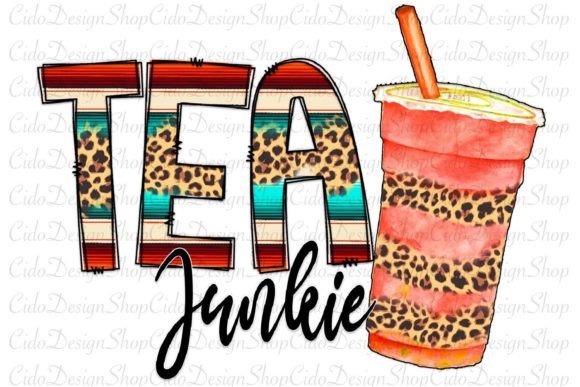
Tea Junkie, Western Sublimation Embroidery Review
As a designer who spends more time staring at stitch charts and fabric swatches than sleeping, I approach every new digital asset with a healthy dose of skepticism. The market is flooded with "cute" graphics that look charming on a screen but fall apart under the needle. That is why I take the time to evaluate designs like Tea Junkie, Western Sublimation before committing them to real-world projects. This isn't just about whether it looks pretty; it is about whether it holds up in production, appeals to buyers, and translates well from a PNG file into a tangible, high-quality embroidered product.
I recently pulled this design for a hypothetical batch of custom apparel intended for a boutique tea shop collaboration. The premise was simple: create a wearable piece that speaks to the niche audience of caffeine lovers with a rustic aesthetic. Here is my practical breakdown of how Tea Junkie, Western Sublimation performs when moving from a digital graphic to a finished textile product.
First Impressions and Visual Personality
The moment you load the file, the mood is established. This is not a minimalist, modernist statement. It leans heavily into a cozy, vintage-inspired vibe. The title itself suggests a narrative—someone who values their morning ritual and perhaps has a flair for the dramatic or the old-western style. Visually, the layout feels balanced, avoiding the cluttered look that often plagues novelty embroidery designs.
For an embroidery project, the initial appeal lies in its clarity. The elements are distinct enough to be recognizable even after the texture of thread is applied. When reviewing Print Templates or Graphics for commercial use, I always look for that "hook." Does the design stop a scroll? Does it make a customer pause? In this case, the combination of the playful text and the western theme creates a strong brand identity potential. It feels authentic rather than generic, which is crucial for handmade product lines where uniqueness is the selling point.
Real-World Application: From Screen to Stitch
Let’s talk about execution. I envision this design shining on specific mediums. My first test scenario involved a heavy cotton canvas tote bag design. The weight of the fabric provides a stable foundation, allowing the stitch density to sit properly without puckering. The contrast between the dark thread options and the natural canvas would highlight the details beautifully.
Another strong candidate here is sweatshirt embroidery. A cream or oatmeal-colored fleece hoodie offers a soft backdrop that complements the western theme. The design’s personality fits perfectly with the comfort-oriented nature of the garment. It transforms a basic piece of clothing into a personalized gift that feels curated and thoughtful. For an Etsy seller, this kind of versatile design is gold because it can be marketed across multiple categories—from office wear to loungewear.
I also considered using this as an embroidered patch for denim jackets or backpacks. If the design includes a clean border or if you plan to add one during digitizing, it works exceptionally well as a detachable accessory. This expands its utility, making it a great addition to a craft business inventory that targets fashion-forward hobbyists.
Where Caution Is Required
No design is perfect for every surface. While Tea Junkie, Western Sublimation is robust, there are pitfalls to avoid. I would strongly advise against placing this on highly textured fabrics like bouclé or thick chenille unless you have significant experience managing needle penetration and stabilizer support. The intricate details might get lost in the nap of the fabric.
Similarly, small hoop sizes present a challenge. If you attempt to scale this down too much, you risk losing the readability of the text and the definition of the graphical elements. Always check your hoop size constraints before finalizing the placement. On stretchy knits, such as thin t-shirt materials, the design may distort if proper tear-away or cut-away stabilizer is not used correctly. I recommend testing on scrap pieces of your actual production fabric first to gauge how the thread colors interact with the dye lot.
Dark fabrics require careful consideration of thread choice. While white or light threads pop, they may require more passes, increasing stitching time and potential tension issues. Conversely, dark threads on dark fabric might hide the detail entirely. A mid-tone background usually offers the safest compromise for maintaining visual clarity.
Impact on Brand and Customer Perception
When you sell custom apparel or small shop products, the quality of the design directly impacts perceived value. A sloppy digitization job screams amateur hour, whereas a clean, well-placed design builds trust. Using a proven graphic like this helps maintain brand consistency. Customers recognize the style and associate it with quality.
This design also enhances giftability. The humor inherent in the "Tea Junkie" phrase makes it an easy recommendation for birthdays, holidays, or teacher gifts. When customers see a finished product that matches the mockup, their satisfaction increases, leading to better reviews and repeat business. For commercial embroidery clients, this reduces the friction of the sales process because the design already communicates its message effectively.
Practical Designer Notes for Implementation
Before you upload this to your machine, follow these steps to ensure success:
- Test on Scrap Fabric: Never run a new design on your final product immediately. Use a similar fabric type to check for puckering, thread breaks, or color bleeding.
- Review Stitch Density: Ensure the fill stitches are not too dense for the fabric weight. Excessive density can cause stiffness and discomfort.
- Check Small Details: Zoom in on the digital preview. Are any lines too thin to be stitched reliably? If so, consider simplifying or adjusting the digitizing settings.
- Black and White Mockups: View the design in grayscale to check contrast levels. This helps predict how it will look regardless of the thread colors chosen.
- Stabilizer Selection: Choose the right stabilizer for your fabric. Heavy fabrics need strong backing; delicate fabrics need gentle support.
- Licensing Verification: Confirm the license terms. Even though this is a digital embroidery file sold as a graphic, verify if you are allowed to sell the finished physical items. Most commercial licenses permit this, but it varies by creator.
In conclusion, Tea Junkie, Western Sublimation is a solid addition to any designer’s library. It balances charm with professionalism, making it suitable for everything from baby embroidery accents to adult holiday embroidery gifts. By paying attention to fabric choices and technical setup, you can turn this PNG asset into a standout finished product that resonates with your audience.