Western Cow Leather Digital Paper Review
As a designer who spends more time looking at stitch density charts than actual leather, I approach every new asset with a healthy dose of skepticism. The market is flooded with low-resolution clipart disguised as premium design files, and it takes a keen eye to spot the difference between a quick download and a professional-grade visual asset. When I first pulled up Western Cow Leather Digital Paper, my immediate reaction was one of cautious optimism. It isn’t just another generic graphic; it carries a specific weight and texture that suggests it has been crafted with an understanding of how print and embroidery intersect.
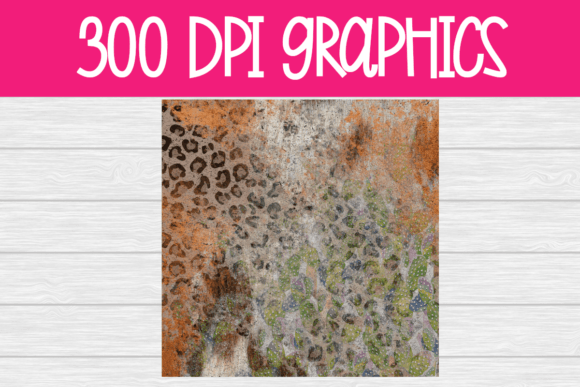
However, before we dive into the aesthetic judgment, we must address the technical reality. This is not an SVG file. It is not a cut file for your vinyl cutter. It is a high-resolution PNG image, specifically designed for printing and sublimation workflows. Understanding this distinction is critical. If you are looking to import this directly into your embroidery software to generate automatic stitches, you will be disappointed. But if you are looking for a stunning visual base to print onto fabric for sublimation, or a high-quality background element for a mixed-media project, this asset delivers exactly what it promises: a crisp, 300 dpi color graphic that holds its own in close-up scrutiny.
The Visual Personality of Western Cow Leather Digital Paper
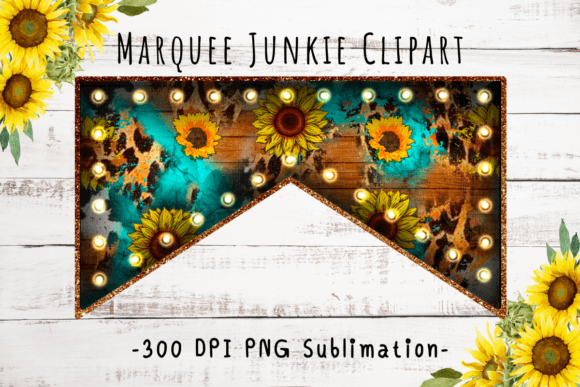
The first impression of Western Cow Leather Digital Paper is defined by its authenticity. In the world of digital illustrations, "leather" textures often look flat, repetitive, or overly saturated. This design avoids those pitfalls. The grain feels organic, and the lighting on the surface gives it depth without looking muddy. For a maker creating custom apparel or boutique merchandise, this kind of visual fidelity is everything. It signals quality to the customer before they even touch the product.
I find myself thinking about where this design naturally belongs. It doesn’t scream for attention like a neon graphic; instead, it offers a rugged, grounded backdrop that enhances other elements. It fits perfectly into the realm of rustic-chic decor, western-themed accessories, or masculine-leaning gifts. The layout allows it to serve as either a dominant focal point or a subtle textural layer. For an Etsy seller or small business owner, this versatility is valuable. You aren’t locked into a single use case. You can pair it with bold typography for a motivational quote, or let it stand alone as a statement piece on a heavy-duty canvas tote bag.
Real-World Application: From Screen to Stitch
Let’s talk about practical application. Imagine you are preparing a custom embroidered tote bag for a client who runs a local coffee shop or a boutique bookstore. You want something that feels durable and timeless. Using Western Cow Leather Digital Paper as a printed insert within a clear vinyl pocket of the tote, or perhaps sublimating it onto a leather-like synthetic panel, creates an instant sense of craftsmanship. The 300 dpi resolution ensures that when a customer zooms in on their phone screen while browsing your online store, the image remains sharp. There are no jagged edges or pixelated artifacts to undermine your brand’s professionalism.
Consider also the angle of personalized gifts. A holiday gift set featuring a kitchen towel with this leather texture printed via sublimation, paired with a matching apron, tells a cohesive story. The warmth of the leather tones complements autumnal color palettes beautifully. When designing for baby items or nursery decor, this texture might feel too heavy unless balanced with soft pastels, but for adult-oriented products like caps, hats, or men’s grooming kits, it hits the right note of sophistication.
For those of us in the craft business, the ability to create printable mockups is huge. Before committing to a production run of fifty embroidered patches, you can place this digital asset into a mockup template to see how it looks against different backgrounds. Does it pop? Does it blend? The clarity of this PNG makes testing these scenarios effortless, saving you money on wasted materials and failed prototypes.
Where Caution Is Required
While Western Cow Leather Digital Paper is a strong visual asset, it is not a magic bullet for every embroidery challenge. Because it is a raster image and not a vector-based machine embroidery design, you cannot simply send it to your hoop. If you intend to incorporate this into a physical embroidery project, you must treat it as a reference or a print component.
If you are planning to overlay satin stitch or fill stitch over this printed area, you need to be mindful of fabric texture. On thin or stretchy fabrics, the ink from sublimation can bleed slightly, which might obscure fine details of the leather grain. Similarly, on dark fabrics, the vibrancy of the colors may require a white underbase print, adding an extra step to your workflow. Curved surfaces, such as baseball caps or fitted sweatshirts, present their own challenges. While the image is high-res, wrapping a flat 2D graphic around a 3D curve can distort the perspective if not mapped correctly in your design software.
Furthermore, avoid using this design for tiny lettering or intricate decorative accents that require extreme precision. The strength of this asset lies in its broad strokes and textural presence, not in microscopic detail. If your project involves dense stitch areas, ensure that the underlying printed layer does not add unnecessary bulk or stiffness to the final garment, particularly in sensitive areas like necklines or cuffs.
Practical Designer Notes for Success
To get the most out of this digital graphics package, I recommend a few best practices. First, always test the design on scrap fabric before running a full production batch. Check thread color contrast if you plan to embroider over the print. The interplay between the mechanical stitches and the digital print needs to feel harmonious, not chaotic.
Review the stitch density carefully. Even if you are only printing, understanding how the visual weight of the design translates to physical space helps in selecting the right stabilizer. A heavy leather texture might benefit from a tear-away stabilizer to keep the fabric taut during any additional embellishment, whereas a delicate background might hold up better with a cut-away.
Inspect small details closely. Zoom in to 400% on your monitor to ensure there are no compression artifacts that could become glaring errors in a large-format print. Also, consider converting the image to black and white temporarily to check the value contrast. Does the design still have impact without color? This is a crucial step for ensuring readability and visual balance.
Finally, confirm licensing terms. As a commercial embroidery designer or digital product seller, you need to know whether you can sell finished items made with this asset. Since this is a graphic design image, not a pre-digitized embroidery file, the usage rights may differ from standard digitizing licenses. Ensure you have the clearance to use this Illustrations category item in your handmade products, custom apparel lines, and small shop merchandise listings.
In conclusion, Western Cow Leather Digital Paper is a robust, visually appealing asset that serves designers well when used within its intended scope. It brings a level of realism and texture that elevates custom apparel, personalized gifts, and craft business items. By treating it with the respect due to a high-end visual component—testing thoroughly, choosing the right substrates, and respecting licensing—you can create finished products that resonate with customers and stand out in a crowded marketplace.