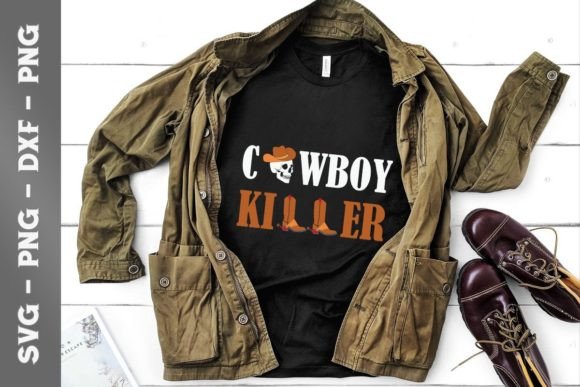
Western Cowboy Killer Skull Cowgirl
When I pull a new embroidery design into my hoop, I am not just looking at pixels on a screen. I am visualizing the tension of the thread, the bite of the needle, and how the final texture will feel against the skin or sit on a retail shelf. Today, I am evaluating the Western Cowboy Killer Skull Cowgirl file set. This is a graphic-heavy asset originally categorized under T-Shirt Designs and Graphics, but for those of us in the machine embroidery space, the real question is always: can this translate from a flat vector into a stitched masterpiece that holds up to wear, washing, and commercial scrutiny?
The package includes standard digital assets like SVG, PNG, DXF, and EPS files. While these are excellent for cutting vinyl or printing on demand, my focus here is strictly on how this design performs as a machine embroidery design. If you are planning to digitize this yourself or use a pre-digitized version, the following review breaks down the practical realities of using this motif in your craft business.
First Impressions: Mood and Visual Weight
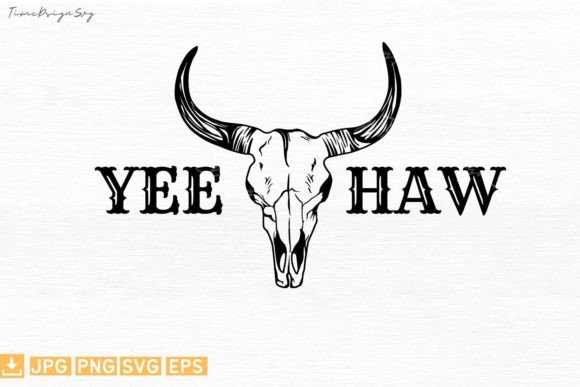
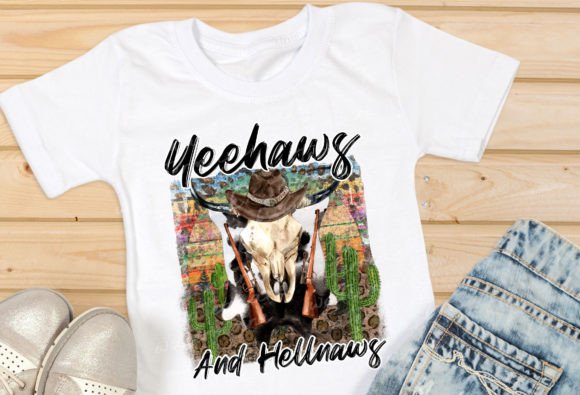
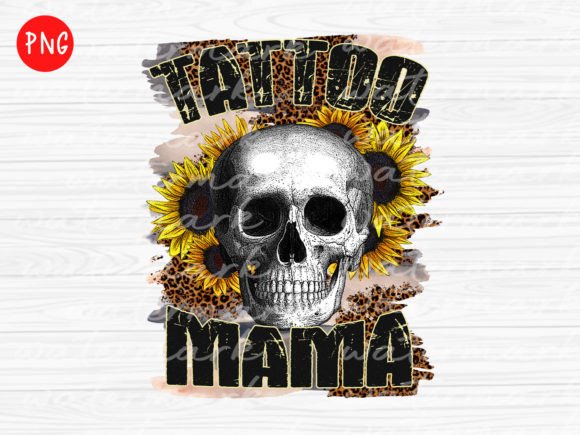
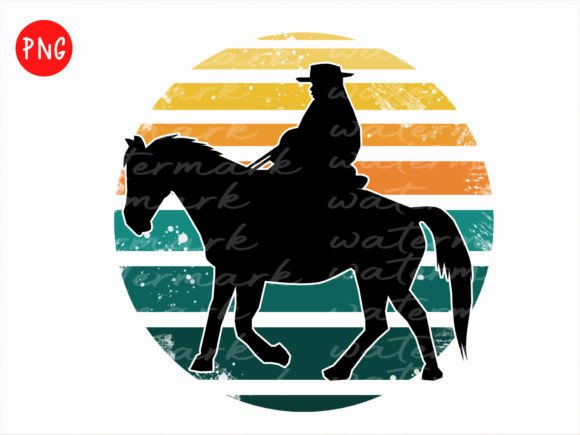
The immediate vibe of the Western Cowboy Killer Skull Cowgirl is bold, rebellious, and distinctly Americana. It carries a heavy visual weight, which is both its greatest strength and its potential liability. The imagery combines rugged western iconography with edgy skull aesthetics, creating a piece that screams personality. In terms of layout, it feels balanced enough to serve as a central focal point but complex enough to require careful stitching decisions.
For an embroidery project, this design naturally belongs to items that can handle high contrast and dense detailing. It does not whisper; it shouts. This makes it perfect for customers who want their custom apparel to make a statement. However, the complexity of the skull and western elements means that if the digitization is poor, the fine lines can blur together during the stitching process, losing the sharp definition that makes the design appealing in the first place.
Real-World Application: Where Does It Shine?
I recently imagined this design being applied to a few specific products to test its versatility. Here is where the Western Cowboy Killer Skull Cowgirl truly excels:
- Sweatshirt Embroidery: This is perhaps the best use case. The heavier fabric of a hoodie or crewneck sweatshirt provides the stability needed for any dense fill stitches. A black or charcoal heather sweatshirt with this design in white and silver threads would look incredibly professional and high-value.
- Tote Bag Design: Canvas totes are a staple for Etsy sellers and craft business owners. This design fits perfectly on the front panel of a canvas tote. The rugged theme appeals to a broad demographic, from music festival-goers to fans of alternative fashion. Just ensure you use a cut-away stabilizer to prevent puckering on the bag handles.
- Embroidered Patch: Converting this graphic into a patch format is a smart move for small shop products. Patches allow you to bypass some of the structural limitations of thin fabrics. You can apply a finished patch to denim jackets, backpacks, or caps, giving the finished product a polished, branded look.
- Holiday Embroidery: While not traditional, this design could work well for "anti-Valentine" gifts or birthday presents for someone with a rock-and-roll aesthetic. It stands out in a market flooded with generic floral or cute designs.
Where to Exercise Caution
Not every surface is created equal, and the Western Cowboy Killer Skull Cowgirl has specific requirements that might cause issues if ignored. As an experienced designer, I advise against rushing this design onto delicate materials without testing.
- Small Hoop Sizes: If the design is large, trying to fit it into a small hoop (like 4x4 inches) may force you to reduce the scale significantly. At smaller scales, the intricate details of the skull and western elements may become muddy. Ensure the hoop size matches the design dimensions to preserve clarity.
- Textured Fabrics: Avoid using this on bouclé, heavy fleece, or highly textured weaves. The fabric texture will interfere with the needle penetration, leading to skipped stitches and uneven satin stitch edges. Stick to smooth cotton, polyester blends, or denim.
- Stretchy Fabrics: Thin t-shirts or jersey knits can pucker if the stitch density is too high. If you must use this on a tee, a heavy-weight cotton is preferable. For stretchy materials, a tear-away stabilizer might not be enough; consider a water-soluble topping to keep the top layer of thread clean and distinct.
- Curved Surfaces: Attempting to embroider this directly onto a baseball cap or curved hat brim requires advanced hooping skills. The flat nature of the original graphic may distort when wrapped around a curve. It is often safer to embroider the design flat and then apply it as a patch.
Technical Notes for the Embroidery Designer
Before you commit to producing a batch of personalized gifts or commercial embroidery items, there are several technical checks you must perform. The source files provided (SVG, DXF, etc.) are vectors, meaning they are scalable, but they are not automatically optimized for machine stitching.
First, always test the design on scrap fabric that matches the final product in weight and composition. This allows you to check thread color contrast and see how the colors interact under light. Second, inspect the small details. In the skull’s eye sockets or the western hat brim, are the stitches too close together? Excessive fill stitch can cause the fabric to bunch, while sparse stitches can show the backing material through.
I also recommend running a black-and-white mockup of the design. This helps you evaluate the balance of positive and negative space. If the design looks cluttered in grayscale, it will likely look even more chaotic in color. Additionally, confirm whether the digitized file includes proper underlay stitches. Without a solid underlay, the running stitch and satin edges may float or shift, ruining the handmade product quality.
Impact on Brand and Customer Trust
In the world of small shop product sales, presentation is everything. A well-executed Western Cowboy Killer Skull Cowgirl embroidery elevates the perceived value of the item. Customers associate clean, precise stitching with professionalism. When a buyer sees a crisp skull design with no loose threads or puckered fabric, they trust the brand more. This leads to better reviews, higher engagement, and repeat business.
Conversely, a poorly executed version can damage your reputation. If the digital embroidery file was not digitized with care, the result may look cheap, regardless of how good the original graphic was. Always prioritize quality over speed. Take the time to adjust thread colors and check the stitch density before hitting start.
Final Verdict
The Western Cowboy Killer Skull Cowgirl is a strong, versatile design asset that can drive sales for creative entrepreneurs willing to put in the prep work. It works beautifully on sweatshirts, totes, and patches, offering a bold aesthetic that resonates with a specific niche audience. However, it demands respect in terms of fabric choice, stabilizer usage, and digitization quality.
If you are an Etsy seller or apparel decorator looking to expand your catalog with edgy, western-themed goods, this design is worth considering. Just remember to test thoroughly, choose the right materials, and ensure your final output matches the high standards your customers expect. By treating the digitization process with the same care you would a custom client order, you can turn this graphic into a profitable, professional addition to your design assets.