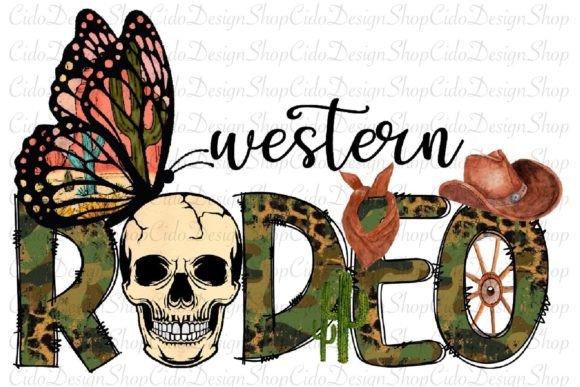
Western Rodeo Embroidery Review
When I am evaluating a new machine embroidery design for my own studio or for client work, I look past the flashy preview image. I think about how it will behave under the needle, how it will hold up after twenty washes, and whether it actually adds value to the final product. That is exactly how I approached reviewing this Western Rodeo, Western Sublimation graphic. As a designer who frequently bridges the gap between digital assets and physical textiles, I wanted to see if this piece delivers on its promise of rugged charm without sacrificing technical integrity.
The market is saturated with generic western motifs, so finding a design that feels authentic rather than cliché is rare. This particular asset falls under the category of Print Templates and Graphics, specifically provided as a high-resolution PNG file. While it is not an embroidery file in the traditional .pes or .dst sense, its utility lies in its application as a transfer, a sublimation print, or a guide for complex applique work. Let us break down what makes this design tick and where it fits best in your creative workflow.
First Impressions and Visual Personality
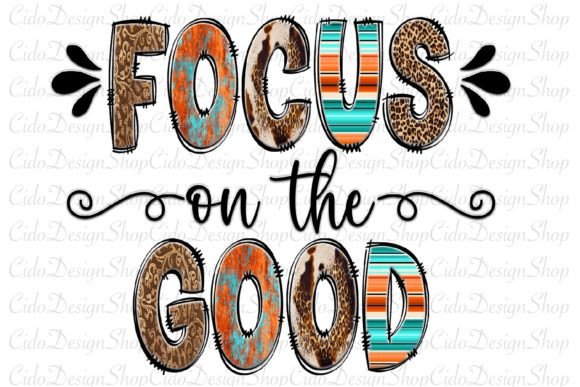
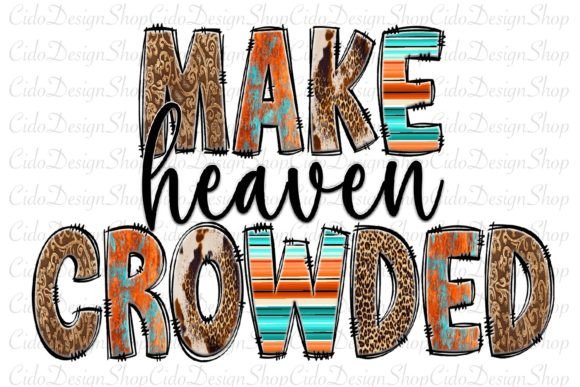
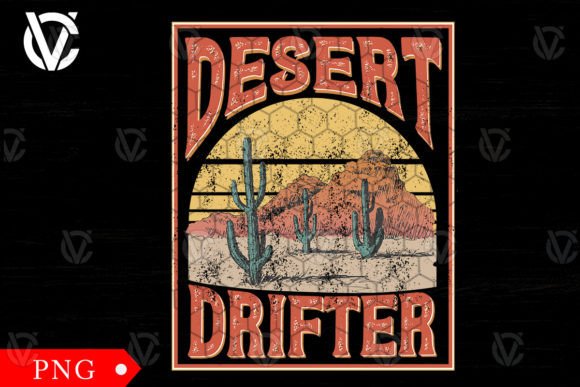
At first glance, Western Rodeo, Western Sublimation exudes a specific kind of nostalgia. It does not try to be modern minimalism; instead, it leans into the grit and glory of rodeo culture. The visual personality is bold, confident, and unmistakably thematic. For designers targeting audiences who love cowboy aesthetics, ranch life, or vintage Americana, this mood hits the mark immediately.
The layout is balanced in a way that suggests it was designed with placement in mind. Whether you are centering it on the chest of a sweatshirt or placing it off-center on a tote bag, the composition holds its weight. The detail level is sophisticated enough to catch the eye but clean enough to remain legible when scaled down. This is crucial because one of the biggest mistakes hobbyists make is choosing designs that become muddy blobs when embroidered or printed on small surfaces. This design avoids that trap by maintaining clear negative space and strong focal points.
Real-World Application Scenarios
To truly understand the value of this asset, we need to talk about real projects. I imagine using Western Rodeo, Western Sublimation in a few specific scenarios where the theme aligns perfectly with the product.
- Custom Apparel: This design screams sweatshirt embroidery or heavy cotton t-shirt graphics. Imagine a heather grey crewneck with this western motif centered on the back. It creates an instant statement piece for someone who wants to express their love for the outdoors or rodeo culture without wearing a literal costume. It works equally well as a front-left chest logo for a more subtle, branded look.
- Baby and Nursery Items: There is a growing trend for "little cowboy" themes in nursery decor. Using this graphic on a muslin blanket, a burp cloth, or a onesie can create a heartfelt personalized gift. The rugged theme softens beautifully when paired with pastel thread colors or soft fabric textures, making it a versatile choice for baby embroidery projects.
- Craft Business Merchandise: If you are an Etsy seller or run a small shop product line, this design offers high commercial potential. It translates exceptionally well to tote bag design applications. A canvas tote featuring this western art looks professional and on-trend. It also serves as excellent branding for boutique items, adding a layer of authenticity to your brand story.
- Holiday and Seasonal Gifts: Western themes are perennial favorites during fall and winter holidays. This design could easily be adapted for holiday embroidery projects, such as Christmas stockings or kitchen towels. The rustic vibe pairs wonderfully with autumn color palettes like burnt orange, mustard yellow, and deep brown.
Technical Considerations for Designers
As an experienced reviewer, I must address the technical realities of using this asset. Since you receive a PNG file with a transparent background at 300dpi, you are getting a finished visual file, not a stitch file. This changes how you approach the production phase.
If you plan to use this as a direct print template for sublimation, the 300dpi resolution is sufficient for most garment printing needs. However, if you intend to digitize this image into a true machine embroidery design, you will need to convert it yourself. This process requires careful attention to stitch density and hoop size.
When converting or applying this design, consider the following practical notes:
- Test on Scrap Fabric: Always test your chosen method on scrap material first. Different fabrics react differently to heat (for sublimation) or needle penetration (for embroidery).
- Check Thread Color Contrast: If you are embroidering over this graphic, ensure your thread choices provide enough contrast against the background fabric. Dark fabrics may require a light underlay or a different color strategy to make the details pop.
- Review Stitch Density: Avoid over-stitching dense areas. If the design has intricate lines, using a combination of satin stitch for outlines and fill stitch for larger areas can prevent puckering.
- Use Proper Stabilizer: The type of stabilizer matters. Cut-away stabilizers are generally better for stretchy fabrics or garments that will undergo frequent washing, while tear-away might suffice for stable woven fabrics used in home decor items like pillow covers.
- Inspect Small Details: Zoom in on the digital file. Are there tiny elements that might get lost in the stitching? If so, simplify the design before digitizing.
Where to Use Carefully
Not every surface is suitable for this design. I would advise caution when attempting to use Western Rodeo, Western Sublimation on extremely small hoop sizes or highly textured fabrics. Textured materials like bouclé or heavy corduroy can obscure fine details, making the design look blurry or incomplete.
Additionally, avoid placing complex versions of this design on thin or stretchy fabrics without proper stabilization. The weight of the threads or the heat of sublimation can distort the fabric, leading to a warped final product. Curved surfaces like caps can also be tricky; ensure the design is stretched or curved appropriately in your software to match the contour of the hat, otherwise, it will look misaligned.
Final Verdict on Value and Appeal
From a branding perspective, Western Rodeo, Western Sublimation adds a layer of professionalism and thematic consistency to any project. It signals to the customer that you understand the aesthetic they are looking for. For commercial embroidery businesses, this asset can streamline your catalog, offering a ready-made solution for customers seeking western-themed gifts.
The transparency of the PNG file is a significant advantage. It allows you to place the graphic seamlessly onto mockups, allowing you to create compelling printable mockup images for your online store. This visual clarity helps build customer trust, as buyers can see exactly how the finished product will look before purchasing.
In conclusion, this design is a strong addition to your library of design assets. It is versatile enough for personal projects yet robust enough for commercial use. By paying attention to the technical details—such as fabric choice, stabilizer type, and color contrast—you can transform this simple graphic into a standout handmade product that resonates with your audience. Just remember to verify all licensing terms before selling finished items to ensure your craft business remains compliant and protected.