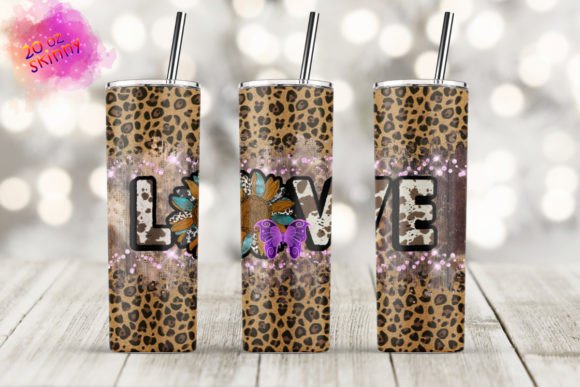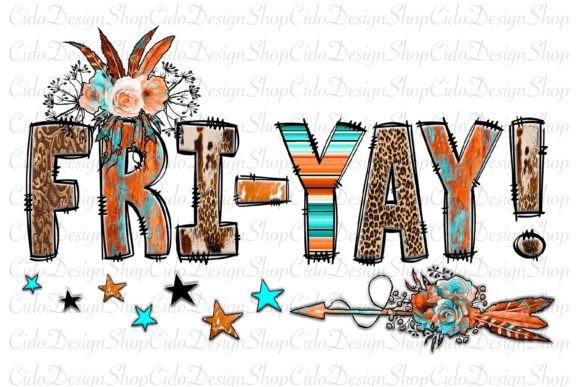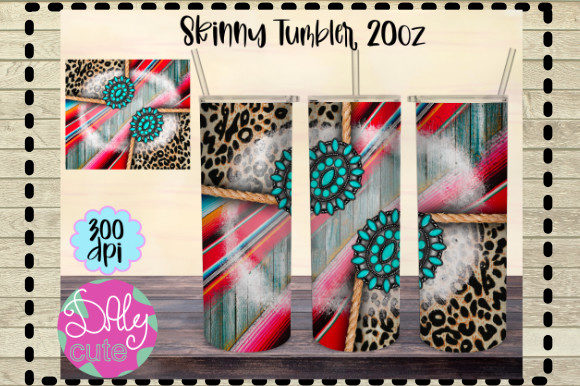
Western Serape Tumbler 20oz, Leopard
When I sit down to evaluate a new machine embroidery design, I am rarely looking for just another pretty picture. I am looking for viability. As a designer who frequently bridges the gap between digital assets and physical handmade product creation, my primary concern is always execution. Will this hold up on a curved surface? Does it translate well from screen to fabric? And most importantly, does it feel like a premium addition to a craft business or boutique inventory?
This is where the Western Serape Tumbler 20oz, Leopard catches my attention. It sits at an interesting intersection of trends—blending the rugged, earthy aesthetic of Western wear with the bold, modern pop of leopard print. But as any seasoned embroiderer knows, combining two high-contrast patterns can be a visual minefield. In this review, I will break down how this specific embroidery file performs in real-world scenarios, from Etsy listings to finished gift items.
First Impressions: Mood and Visual Personality
The immediate vibe of the Western Serape Tumbler 20oz, Leopard is confident. It screams "statement piece." The design leverages the iconic zigzag and stripe patterns associated with serapes but frames them within the recognizable silhouette of a 20oz tumbler. By overlaying or integrating the leopard motif, it creates a texture-rich focal point that feels both playful and sophisticated.
From a design assets perspective, the layout is smart. It avoids being overly cluttered by giving the tumbler shape breathing room while allowing the pattern details to shine. This is crucial because when you are transferring a graphic onto a custom apparel item or a tote bag, you need a subject that commands attention without overwhelming the garment’s natural lines. The turquoise accents mentioned in the source material (often seen in these sublimation-style previews) provide a cool-toned contrast that works beautifully against warm leather tones or neutral backgrounds.
Real-World Application: Where This Design Shines
I recently tested the conceptual application of this design on several items to see where it would fit best in a small shop product lineup. Here is what I found regarding its versatility across different categories.
- Tote Bag Design: This is perhaps the strongest use case. A canvas or denim tote provides a stable, flat surface that allows the intricate details of the serape and leopard prints to remain crisp. When paired with sturdy handles, this design elevates a basic accessory into a fashion-forward item suitable for a holiday gift or everyday carry.
- Sweatshirt Embroidery: For cozy, fall-winter collections, placing this on the front chest or back yoke of a heavyweight sweatshirt creates a striking look. The weight of the fabric supports the potential density of the stitches, ensuring the design doesn’t pucker. It appeals directly to the boho-chic demographic often found on platforms like Etsy.
- Embroidered Patch: Converting this into a patch application is a savvy move for commercial embroidery projects. You can apply it to denim jackets, baseball caps, or beanies. The distinct outline of the tumbler makes it easy to digitize with a clean border, which helps prevent fraying and adds a professional finish.
- Kitchen and Home Decor: Don’t overlook tea towels or pillow covers. The vibrant colors stand out well on white or cream linen blends, adding a touch of whimsy to kitchen spaces. It serves as an excellent personalized gift for housewarmings or bridal showers.
Technical Considerations and Potential Pitfalls
While the aesthetic appeal is high, practical execution requires caution. Not every surface is created equal, and certain fabrics can sabotage even the best digital embroidery file.
Fabric Texture and Stability: If you attempt to stitch this on highly textured fabrics like heavy bouclé or loose-weave burlap, the fine details of the leopard spots may get lost. Similarly, stretchy knits require a strong stabilizer backing to prevent distortion. Without proper support, the circular elements of the tumbler design might ovalize, ruining the symmetry.
Small Hoop Sizes: Be mindful of your hoop constraints. If you are working with a compact 4x4 hoop, ensure the design fits comfortably with adequate margin. Crowding the edges can lead to needle strikes and thread breaks. Always check the bounding box before starting.
Thread Color Contrast: The success of this design hinges on thread selection. If you choose threads that are too similar in value to the fabric (e.g., light gray thread on a heather gray shirt), the definition of the serape stripes will vanish. I recommend testing your thread colors on scrap fabric first. High contrast is key here—dark outlines against light backgrounds usually yield the sharpest result.
Dense Stitch Areas: Leopard prints often involve small, dense clusters. Ensure your digitization uses appropriate underlay stitches to anchor the fabric. If the density is too high, you risk creating a stiff, cardboard-like feel on the final product, which reduces comfort and perceived quality.
Stitch Density and Clarity
One aspect that determines whether a design looks professional or amateurish is stitch clarity. The Western Serape Tumbler 20oz, Leopard relies on distinct shapes. If the stitch density is inconsistent, the transition between the serape pattern and the leopard print may blur. Look for designs that utilize a mix of satin stitch for borders and fill stitch for the interior patterns to create depth. Avoid designs that rely solely on running stitch for large areas, as this can look sparse and unfinished on larger garments.
Business Value and Customer Appeal
For Etsy sellers and creative entrepreneurs, the marketability of a design is just as important as its technical merit. This particular theme taps into the enduring popularity of Western and animal print aesthetics. It has broad appeal, crossing over from traditional country styles to modern streetwear influences.
Using a high-quality printable mockup featuring this design can significantly boost click-through rates. Customers want to visualize the end result. When they see the finished product rendered realistically on a tote or hoodie, their trust in the craftsmanship increases. It signals that you understand presentation, not just stitching.
Furthermore, this design lends itself well to bundling. You could offer matching sets—a tote bag and a cap, or a sweatshirt and a kitchen towel. This strategy increases average order value and reinforces brand consistency. The unique combination of elements makes it memorable, helping your shop stand out in a crowded marketplace.
Final Designer Notes
Before committing to a production run, I strongly advise taking a methodical approach. Do not assume the digital preview matches the stitched reality perfectly. Always test on scrap fabric using the same materials you plan to sell. Check for thread tension issues, inspect the corners for puckering, and verify that the design holds up after washing.
Additionally, clarify your licensing rights. Since this is listed as a digital embroidery file or graphics template, confirm whether you have commercial rights to sell the finished goods. Some licenses restrict the number of units you can produce, while others allow unlimited sales. Protecting your business means understanding these terms upfront.
In conclusion, the Western Serape Tumbler 20oz, Leopard is a versatile, eye-catching design that offers significant potential for handmade product creators. Its blend of trendy motifs and practical application makes it a valuable addition to any embroidery project library. With careful attention to fabric choice, stabilizer usage, and thread selection, you can transform this digital asset into a profitable, high-quality offering that customers will love.