Review: A Smart Cowboy T-shirt Design
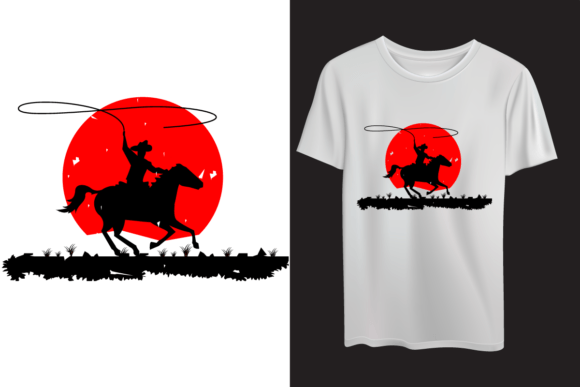
When I pull a new digital asset into my workspace, I am rarely looking for just another pretty picture. As an embroidery designer and reviewer, my primary concern is always execution. Will this design hold up in the hoop? Will it translate well from screen to fabric? And most importantly, does it have enough visual personality to justify the time and thread required to stitch it out? Today, I am putting A Smart Cowboy T-shirt Design under the microscope. This piece arrives as part of a versatile Graphics collection within the broader T-Shirt Designs category, offering two distinct file variations—one optimized for black tees and another for white tees. But beyond the basic premise, how does this vintage-inspired motif actually perform when we move from digital preview to finished product?
First Impressions and Visual Personality
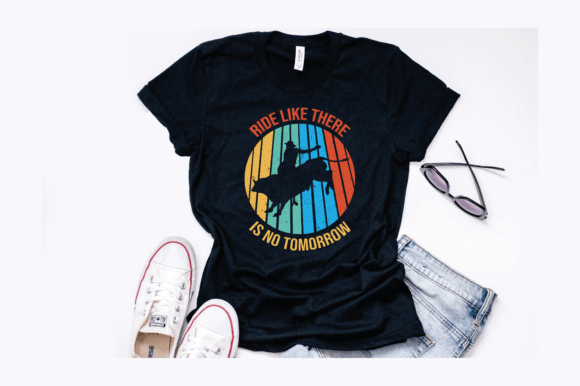
The moment you open the files, the "vintage" descriptor does some heavy lifting. The aesthetic leans into nostalgia, suggesting a rugged yet refined cowboy theme that feels timeless rather than trendy. For an embroidery project, this is crucial. Trends fade quickly, but classic western motifs have staying power. The layout appears balanced, which is the first sign of a professional design. It doesn’t feel cluttered or overly busy, allowing the eye to rest on the central figure or iconography without getting lost in noise.
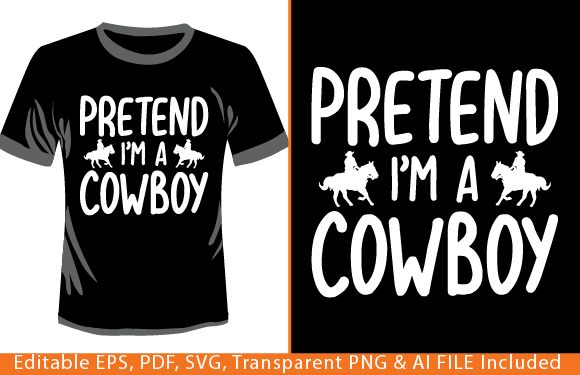
Mood-wise, this design evokes a sense of grounded confidence. It works beautifully for custom apparel where the wearer wants to project a specific identity—perhaps someone who values craftsmanship, rural heritage, or simply the romanticized idea of the frontier. The dual-file structure (black and white backgrounds) shows foresight by the creator. It acknowledges that contrast is king in embroidery. A light design on dark fabric, or a dark design on light fabric, ensures readability. However, as any seasoned embroiderer knows, the devil is in the details. We need to look closer at how those details behave when stitched.
Real-World Application: Beyond the T-Shirt
While the product title suggests a t-shirt focus, limiting this design to cotton tees would be a missed opportunity. In my experience testing assets for small business merchandise, versatility is what drives sales. Let’s imagine preparing a custom embroidered tote bag design for a craft fair. Placing A Smart Cowboy T-shirt Design on a sturdy canvas tote creates an immediate connection with customers who appreciate handmade goods. The vintage vibe pairs exceptionally well with natural fabrics like jute, denim, or heavyweight cotton canvas.
Consider also the potential for sweatshirt embroidery. As seasons change, moving from summer tees to fall hoodies is a natural progression for an Etsy seller. The weight of a hoodie fabric can support the density of this design better than a thin tee shirt, reducing the risk of puckering. Furthermore, think about personalized gifts. This design could easily be adapted for baby embroidery items, such as a onesie or a burp cloth, if scaled down appropriately. The cowboy theme has broad appeal across ages, making it a strong candidate for holiday embroidery projects or nursery decor accents.
I also see potential here for an embroidered patch application. If the design allows for clean edges, stitching it onto a leather or felt backing could create a high-value accessory for jackets or bags. This transforms a simple graphic into a tangible, wearable art piece that commands a higher price point in a boutique branding context.
Technical Performance and Stitch Clarity
When evaluating an embroidery file, I always ask: How does the stitch density hold up? A Smart Cowboy T-shirt Design seems to rely on a mix of fill stitch for solid areas and satin stitch for outlines or text elements. This combination is generally reliable, provided the underlying vector work is clean. The key challenge with vintage designs often lies in the finer details. Are there tiny running stitch elements that might break? Are the corners of any geometric shapes sharp enough to survive the tension of the hooping process?
In real-life scenarios, clarity is paramount. If a customer buys a finished product featuring this design, they expect it to look crisp. Blurry edges or merged threads due to high density can destroy the perceived value of a handmade product. I recommend inspecting the small details closely. If the design includes lettering, ensure it remains legible after stitching. Tiny fonts can become illegible blobs if the thread colors clash or if the stabilizer isn't chosen correctly.
Another critical factor is thread color contrast. Since you receive files for both black and white backgrounds, you must carefully select your thread palette. On the white version, lighter threads might get lost, so bold, saturated colors are essential. On the black version, metallics, bright neons, or very light creams will pop, while dark blues or blacks might disappear into the fabric. Testing these combinations in black and white mockups before committing to thread spools is a smart move for any digital product seller looking to maintain brand consistency.
Where Caution Is Required
No design is perfect for every surface. There are specific situations where A Smart Cowboy T-shirt Design might struggle. First, avoid using it on highly textured fabrics like bouclé or thick wools unless you are experienced with stabilizers. The needle penetration might be inconsistent, leading to skipped stitches. Similarly, stretchy fabrics require careful handling; if the design is too dense, it can restrict the fabric's natural give, causing distortion.
Curved surfaces, such as caps or hats, present another challenge. While possible, complex layouts may not follow the curve naturally, requiring advanced digitizing adjustments that aren't included in standard files. Additionally, be wary of small hoop sizes. If the design is large, forcing it into a small hoop can result in awkward scaling or loss of detail. Finally, consider the end-use of the product. Items that undergo frequent washing, like kitchen towels or aprons, need robust stitching. If the design relies heavily on delicate applique techniques or loose running stitches, it may degrade faster than a more traditional satin-based design.
Practical Designer Notes for Success
To get the best results from this embroidery project, follow these practical steps. Always test the design on scrap fabric first. This allows you to check thread color contrast and inspect small details without wasting expensive materials. Confirm the hoop size matches your machine and the intended garment dimensions. Use proper stabilizer—cut-away for knits and stretchy fabrics, tear-away for wovens—to prevent shifting.
If you are an Etsy seller or run a craft business, think about how this design fits into your overall catalog. Does it complement other western or vintage-themed items? Creating a cohesive collection helps build customer trust and encourages repeat purchases. Also, remember to check licensing terms. Before selling finished items or using this as a digital embroidery file for commercial purposes, ensure you have the right to do so. Ambiguity in license terms can lead to legal issues down the line.
Ultimately, A Smart Cowboy T-shirt Design offers a solid foundation for a variety of creative endeavors. Its vintage charm and thoughtful dual-format approach make it a valuable addition to any designer’s toolkit. By paying attention to fabric choice, stitch density, and presentation, you can transform this digital asset into a standout finished product that resonates with buyers and stands the test of time.