Review: Christmas Western Sunflowers Pattern
As a designer who spends half my life tweaking stitch density and the other half worrying about whether a client’s budget can actually support the production time, I don’t just look at an embroidery file and see pretty shapes. I see potential headaches, potential profits, and potential heartbreaks. When I first pulled up the Christmas Western Sunflowers Pattern, my immediate reaction was one of cautious curiosity. It is a bold mashup of themes that walks a fine line between charmingly eclectic and visually chaotic. But in today’s market, where uniqueness sells as much as perfection, this design has a specific lane it could own—if handled correctly.
The First Impression: A Bold Thematic Mashup
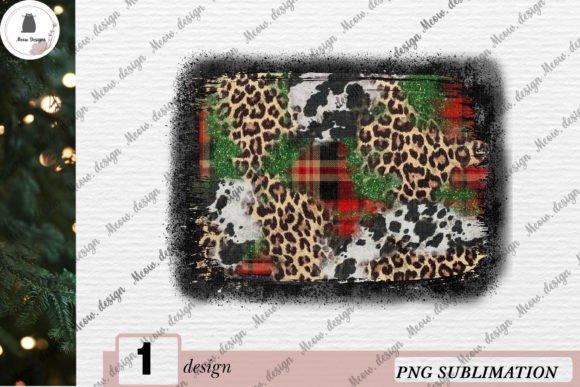
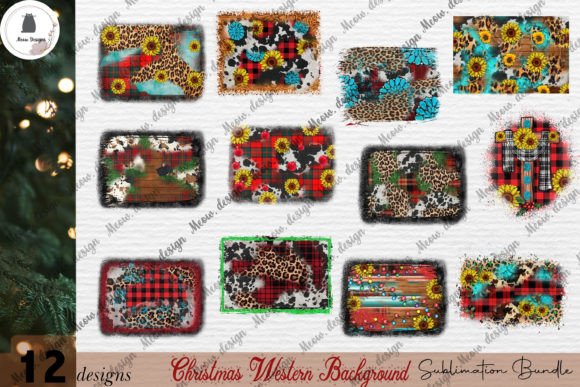
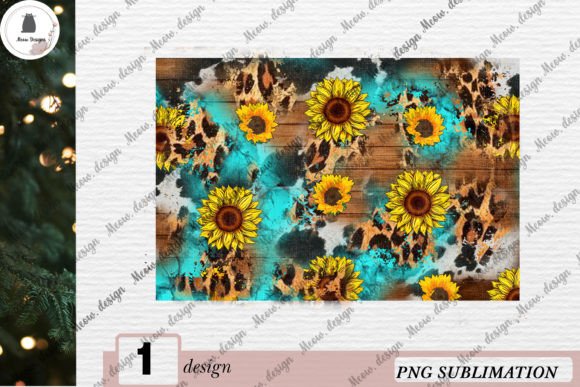
The concept itself is striking. You have the warm, organic curves of sunflowers colliding with the sharp, geometric nostalgia of western motifs, all wrapped in a holiday color palette. For an embroidery project to work, it needs a clear visual hierarchy. From what I can gather from the preview assets, this design leans heavily into character. It isn’t a subtle background texture; it is a statement piece.
This feels like a design meant for someone who wants their brand voice to be loud, friendly, and slightly rustic. It screams "craft fair bestseller" or "boutique gift shop centerpiece." The mood is festive but not overly traditional. It avoids the cliché of pure red-and-green Santa aesthetics, opting instead for a more sophisticated, perhaps even bohemian, holiday vibe. For the modern Etsy seller or small business owner, this differentiation is crucial. Customers are tired of seeing the exact same snowflake motif on every mug and shirt. This pattern offers something distinct.
Real-World Application: Where Does This Fit?
I spent some time mentally mapping out where this machine embroidery design would actually thrive. My first instinct was custom apparel, specifically heavyweight cotton sweatshirts or hoodies. The western theme pairs naturally with denim and thick knits, providing a sturdy canvas that can handle the weight of the design without warping. Imagine a cream-colored crewneck sweatshirt with this centered on the chest or placed large on the back. It would feel cozy, artisanal, and highly giftable.
Another strong contender is the tote bag design category. Canvas totes are a staple for crafters, but they often suffer from boring, repetitive graphics. Applying this pattern to a natural canvas tote adds a pop of personality that justifies a higher price point. It works well for holiday markets, church groups, or family reunion merchandise. The transparent background provided in the Graphics asset means you can easily layer it over different fabric colors in your mockups to test contrast before committing thread to cloth.
I also see potential in home decor, particularly for holiday embroidery accents. Tea towels, kitchen aprons, or pillow covers made from linen or flannel could benefit from this aesthetic. It bridges the gap between farmhouse style and modern holiday cheer. However, I would advise against using it on delicate items like baby clothes unless the design is scaled down significantly and simplified. The western elements might be too busy for a newborn’s outfit, whereas a toddler’s play dress or a child’s backpack patch would be perfect.
The Technical Reality Check: Stitch Density and Detail
Here is where we need to get practical. As an experienced reviewer, I always worry about designs that promise too much detail in a small area. If this pattern includes intricate linework within the western borders or tiny text, it will require careful digitizing. In real-life stitching, small details often get lost, especially if the stitch density is too high or if the wrong thread is chosen.
If you are planning to use this for commercial embroidery or selling finished products, you must test the file thoroughly. Start by running a sample on scrap fabric that matches your final product. Pay close attention to how the satin stitch edges behave. Are they clean, or do they pucker? Does the fill stitch lay flat, or does it create a stiff, cardboard-like texture that ruins the drape of the garment?
One critical note regarding the file format: The description mentions receiving PNG files with a transparent background at 300dpi. While this is excellent for creating printable mockups and digital marketing assets, it is vital to confirm if this PNG is intended to be printed for transfer (like HTV or sublimation) or if it serves as a visual guide for a separate embroidery file. If you are strictly doing machine embroidery, ensure you have the corresponding .dst, .pes, or .jef file compatible with your machine. Do not assume the PNG contains the stitch data. Always check the specific embroidery file compatibility before purchasing or downloading.
Where to Use It Carefully
No design is universally perfect. There are several scenarios where the Christmas Western Sunflowers Pattern might struggle:
- Small Hoop Sizes: If the design is complex, trying to fit it into a 4x4 hoop might force you to trim important details, resulting in a cluttered look.
- Textured Fabrics: Avoid using this on boucle, heavy tweed, or very rough weaves. The thread may not catch evenly, leading to skipped stitches and a messy finish.
- Stretchy Fabrics: Knits require proper stabilization. Without adequate cut-away stabilizer, this design could distort the fabric, ruining the shape of a cap or a fitted t-shirt.
- Dense Stitch Areas: If the design has large blocks of fill stitch, it can become heavy and uncomfortable against the skin, particularly on the neckline of a shirt or the cuff of a sleeve.
Final Verdict: A Strong Asset for the Right Niche
The Christmas Western Sunflowers Pattern is not a generic filler image. It is a specialized design asset that speaks to a specific audience. It appeals to those who love the warmth of nature (sunflowers), the ruggedness of the west, and the joy of the holidays. For the creative entrepreneur looking to stand out in a crowded marketplace, this pattern offers a unique value proposition.
To succeed with this design, focus on presentation. Use high-quality fabrics that complement the rustic theme. Choose thread colors that enhance the contrast—perhaps deep burgundies, forest greens, and golden yellows. Test your thread colors against your fabric to ensure readability. And most importantly, respect the limitations of the medium. By treating this as a serious handmade product opportunity rather than just a quick print job, you can turn this pattern into a profitable, professional-grade addition to your shop.
Before you commit to bulk production, review the licensing terms carefully. Confirm whether you can sell finished items or if the license is restricted to personal use. With proper preparation and realistic expectations, this design has the potential to be a standout hit in your upcoming holiday collection.