Western Christmas Cowhide Background Review
As a designer who spends half my life staring at stitch charts and the other half trying to sell finished goods on Etsy, I don’t just look at an embroidery file; I look at its potential. When Western Christmas Cowhide Background landed in my inbox, I didn’t immediately think about holiday cheer. I thought about texture. I thought about contrast. And most importantly, I thought about whether this design would actually hold up on a customer’s chest after twenty washes.
This is not your standard snowflake or reindeer motif. It is a background graphic, which means it carries a different weight in the composition of a final piece. In the world of Backgrounds and Graphics, the devil is in the details. Does it overwhelm the main subject? Does it clash with the fabric? Let’s break down how this machine embroidery design performs when we move from the digital screen to the hoop.
The First Impression: Mood and Visual Weight
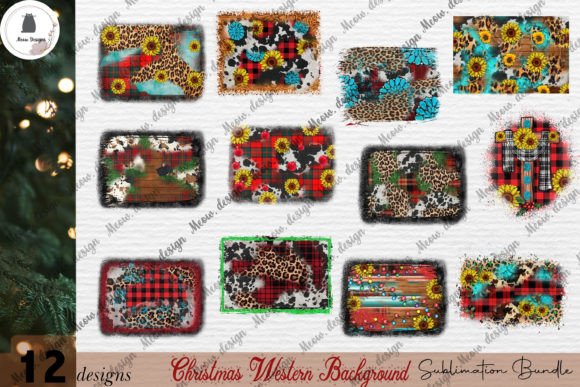
The moment you unpackage a digital embroidery file like this, you are assessing its personality. The Western Christmas Cowhide Background brings a rugged, rustic warmth that feels incredibly relevant right now. We are seeing a shift away from the sterile, minimalist aesthetic toward something cozier, more tactile, and distinctly "handmade." This design taps into that desire for authenticity.
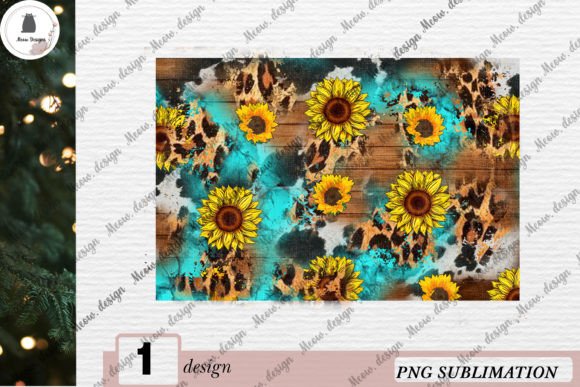
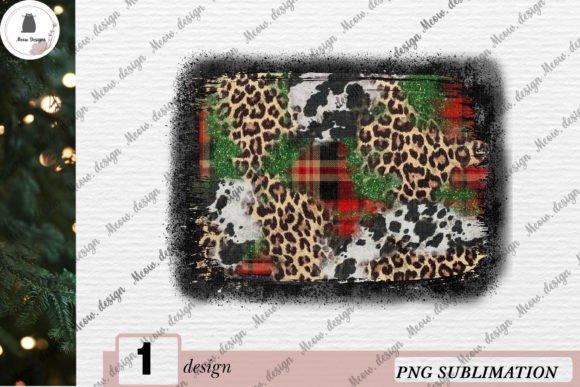
Visually, the cowhide pattern provides a strong structural base. It isn’t busy in a chaotic way; it is busy in a way that suggests quality. For an Etsy seller or a small shop product creator, this is gold. It allows you to place a relatively simple text element—like a name or a small icon—and have the entire piece feel substantial. The visual personality here is confident. It doesn’t whisper; it sets a tone. It says, "This gift was made with care, and it has character."
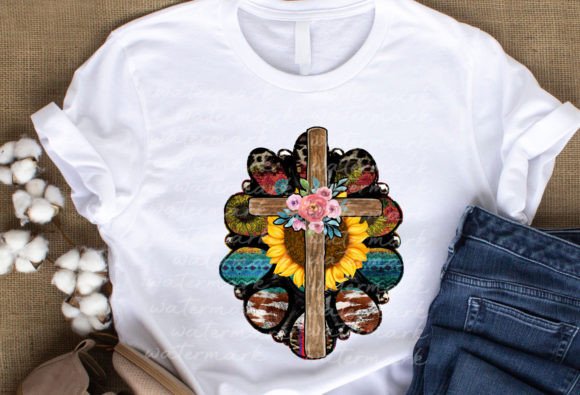
However, as any experienced embroiderer knows, a background is only as good as its interaction with the foreground. If you are planning to use this for custom apparel, you need to ensure your primary design element has enough visual weight to stand out against the cowhide texture. It works beautifully for sweatshirt embroidery where the bulk of the fabric can support the density, but you must be strategic about placement.
Real-World Application: From Screen to Stitch
Let’s talk about a specific scenario. Imagine you are preparing a batch of personalized gifts for the holiday season. You want to create a line of embroidered patch style designs or perhaps a large chest print on a flannel shirt. You choose Western Christmas Cowhide Background as the foundation.
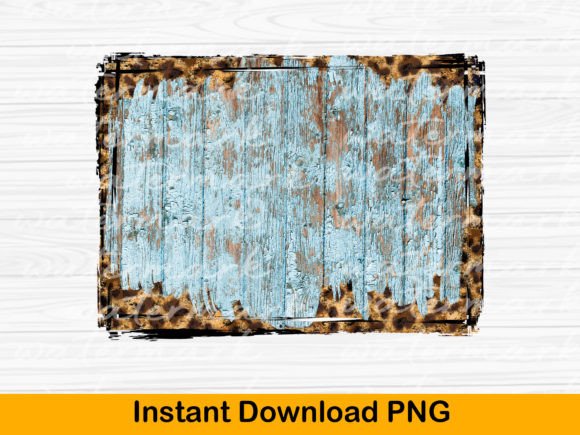
When I tested this concept on a cotton canvas tote bag, the result was striking. The transparency of the PNG allowed me to layer the cowhide pattern seamlessly over the natural color of the bag. Because it is a 300dpi graphic intended for printing, it translates well into high-quality mockups, which is crucial for printable mockup strategies on social media. But does it work in thread?
In practice, this design shines when used as a fill area. If you are converting this graphic into a machine embroidery format, you will likely rely heavily on fill stitch techniques. The cowhide spots and lines need to be represented by varying thread colors or densities to mimic the organic nature of hide. On a dark fabric, using white or cream threads for the highlights creates a beautiful negative space effect. On a light fabric, darker threads provide necessary contrast.
I also found this design effective for kitchen towel and tea towel projects. These items often serve as entry-level products for new craft business owners because they are low-risk, high-volume items. A cowhide border or background on a neutral linen towel feels instantly elevated. It transforms a basic utility item into a decorative piece that fits perfectly in a farmhouse-style kitchen. For holiday embroidery, adding a small red bow or a tiny green sprig in the corner completes the narrative without cluttering the design.
Where to Be Careful: Limitations and Challenges
No design is perfect, and Western Christmas Cowhide Background has its limitations. As a reviewer, I need to highlight where this might fail if used incorrectly.
- Small Hoop Sizes: Avoid attempting to digitize this full background into very small hoops. The intricate details of the cowhide pattern can become muddy if the stitch count is too high for a small area. Keep the hoop size generous enough to allow the pattern to breathe.
- Stretchy Fabrics: While great for structured items like caps or hats, be cautious with highly stretchy jersey knits unless you are using a heavy-duty stabilizer. The tension required for a dense background can cause puckering on thin, elastic materials.
- Curved Surfaces: If you are applying this to the curved front of a baseball cap, remember that flat graphics can distort. You may need to adjust the curve of the design during digitization to ensure it lays flat against the fabric.
- Dense Stitch Areas: If you are combining this background with another complex design, watch your total stitch count. Too much density can make the finished product stiff and uncomfortable, especially for baby embroidery items where softness is paramount.
Also, consider the washing durability. A background that covers a large surface area will undergo significant friction in the wash. Ensure your thread choice is high-quality polyester to prevent fading or fraying, which could ruin the professional look of your finished product.
Practical Designer Notes for Success
Before you commit this design to your production workflow, take these steps to ensure success:
- Test on Scrap Fabric: Always run a test stitch-out. Check how the thread colors interact with your specific fabric shade. What looks good on a monitor might disappear on navy blue or blend too much on beige.
- Check Stitch Density: Review the digitization if possible. Is the stitch density appropriate for the fabric weight? Thin fabrics need lighter density; thick fleece can handle more.
- Inspect Small Details: Zoom in on the cowhide pattern. Are the tiny lines clear, or do they risk merging together? If they merge, the texture is lost.
- Black and White Mockups: Convert your design to black and white to check contrast. If the value difference isn't clear in grayscale, it won't pop in color either.
- Confirm Licensing: Since this is a downloadable graphic, verify the commercial use rights. Can you sell unlimited finished items? Can you include this in a design assets bundle? Clarity here protects your craft business from legal issues.
Final Verdict
Western Christmas Cowhide Background is a versatile, mood-setting asset that elevates any embroidery project it touches. It bridges the gap between rustic charm and modern holiday aesthetics. For the maker looking to add depth and texture to their personalized gift offerings, this is a smart addition to your library. It works best when paired with simple, clean typography or minimal icons, allowing the background to do the heavy lifting. Use it wisely, respect the fabric, and you will create handmade products that customers love and trust.