Western Background Sublimation Design Review
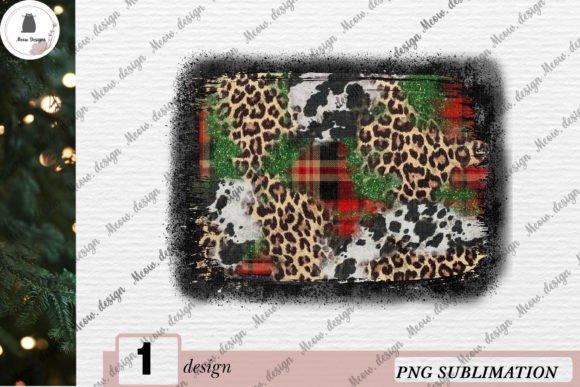
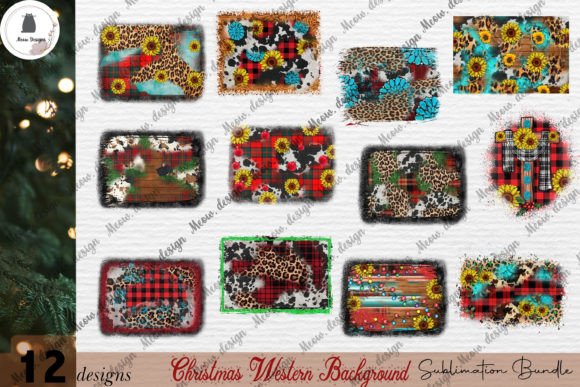
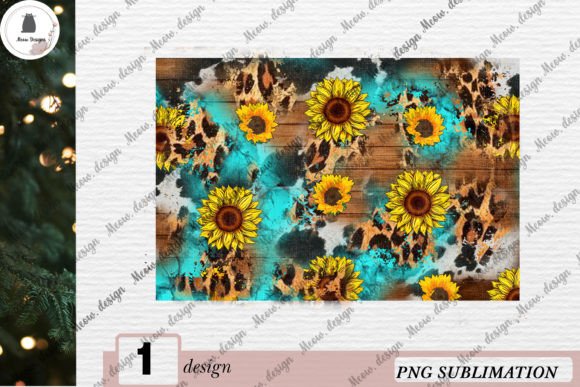
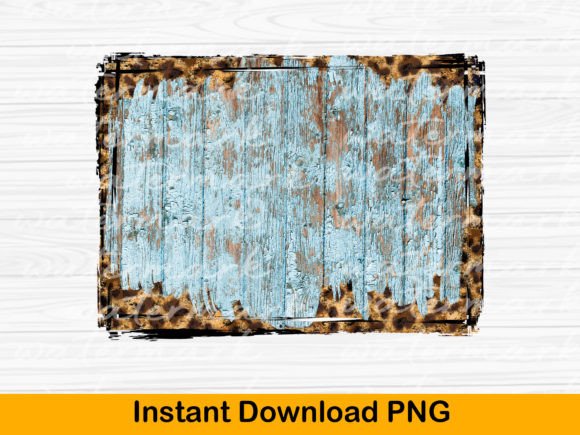
As a designer who spends more time staring at stitch charts and fabric swatches than I care to admit, I have learned to be skeptical of digital assets that promise too much. When I first encountered the Western Background Sublimation Design, my initial reaction was one of cautious curiosity. The description highlights a blend of rustic charm and modern graphic elements—specifically mentioning a wood texture, leopard print accents, and a distressed frame in blue tones. On paper, or rather on a screen, this combination sounds like a recipe for visual clutter. However, in the world of handmade commerce and custom apparel, "rustic chic" is a persistent trend, and the question isn't whether it sells, but whether it translates well into physical form.
I decided to put this design through its paces, not just as a static image, but as a potential component of a real-world embroidery project. My goal was to determine if this Graphics asset holds up under the scrutiny of a sewing machine, particularly when used for high-stakes items like boutique merchandise or personalized gifts. Below is my practical assessment of how this machine embroidery design performs in actual production scenarios.
First Impressions: Mood and Visual Personality
The immediate appeal of the Western Background Sublimation Design lies in its textural contrast. The juxtaposition of organic wood grain against the wilder pattern of leopard print creates a dynamic tension that feels contemporary yet grounded. For an embroiderer, this is significant because texture is often what separates a mass-produced item from a handmade product. The distressed nature of the frame suggests wear and authenticity, which resonates strongly with customers looking for items that feel lived-in and genuine.
Visually, the layout is balanced. The central focus appears to be framed by the distressed borders, allowing for negative space where personalization can occur without overwhelming the eye. This makes it highly versatile for various use cases. Whether you are creating a tote bag design for a summer market or a cozy sweatshirt embroidery piece for autumn, the design’s mood aligns perfectly with those seasons. It doesn’t scream for attention; instead, it invites the viewer to look closer, which is exactly what you want in a finished product meant to evoke emotion.
Real-World Application: From Screen to Stitch
To truly evaluate this design, I imagined it applied to several common craft business items. Let’s start with a classic: a canvas tote bag. Using the Western Background Sublimation Design here would work exceptionally well if treated as an applique element or a large fill area. The wood texture could be rendered in earthy browns and tans, while the leopard print might pop in muted golds or creams. Because this is a PNG file intended for sublimation or printing, the transition to embroidery requires careful planning. If you are digitizing this yourself, the key is simplifying the background details so they don’t compete with the main subject.
Another strong candidate for this design is a baby item, such as a muslin blanket or a onesie. The soft blue tones mentioned in the description help soften the ruggedness of the wood and leopard elements, making them suitable for nursery decor or baby showers. In this context, the design acts as a sophisticated backdrop for a name or date. It elevates a simple gift into a keepsake, increasing the perceived value for the buyer. Customers browsing Etsy listings are drawn to items that look curated, and this design provides that curated aesthetic out of the box.
For the Etsy seller or small shop product owner, versatility is currency. This design can also adapt beautifully to kitchen textiles. Imagine it printed or stitched onto a tea towel or apron. The western theme pairs naturally with farmhouse-style kitchens, making it an attractive option for holiday gifts or housewarming presents. The durability of the visual concept means it won’t look dated in a year or two, protecting your inventory investment.
Where Caution Is Required
Despite its strengths, the Western Background Sublimation Design is not without its challenges. Embroidery is a tactile medium, and not every digital detail translates cleanly. One area to watch closely is small hoop sizes. If you attempt to shrink this design down to fit a 4x4 inch hoop, you risk losing the integrity of the distressed frame and the subtleties of the wood grain. Tiny details can become muddy blobs of thread, ruining the professional look of the final output. Always test the scalability before committing to a run.
Fabric choice is equally critical. The design relies on contrast to stand out. On textured fabrics like heavy denim or boucle wool, the fine lines of the background may disappear. Similarly, on stretchy knits, the density of the design needs to be managed carefully to prevent puckering. If you are working with dark fabric, ensure that your thread colors provide enough contrast against the blue wood and leopard elements. A light-on-dark approach might require a backing stabilizer to make the colors pop, adding time and cost to your production process.
Additionally, consider the end-use of the garment. Items that undergo frequent washing, such as baby clothes or kitchen towels, need robust stitching. If the design includes delicate satin stitches around the edges of the frame, these may fray over time. For long-term durability, reinforcing these areas or opting for a simpler outline stitch might be necessary. Also, remember that curved surfaces like caps present a unique challenge; flat designs often distort when pulled tight over a dome. Test this on a cap blank before offering it as a standard custom apparel option.
Practical Designer Notes for Execution
Before incorporating this asset into your commercial workflow, there are several technical steps every serious designer should take. First, always test the design on scrap fabric that matches the weight and texture of your final product. This helps you identify potential issues with stitch density or thread tension early on.
Review the color palette in black and white mockups. Sometimes, colors that look distinct on screen merge together when converted to thread. This step ensures that the distinction between the wood, the leopard print, and the background remains clear. Furthermore, inspect the small details of the distressed frame. Are they intricate enough to hold their shape, or will they get lost in the noise? If they are too fine, consider simplifying them during the digitization phase.
Don’t forget to check the licensing terms. Since this is a downloadable PNG, verify whether you have the right to use it for commercial embroidery projects. Some digital assets are restricted to personal use only, which could lead to legal headaches if you are selling personalized gifts or craft business items. Confirming these rights protects your brand reputation and your bottom line.
Final Verdict
The Western Background Sublimation Design is a compelling addition to any designer’s library, provided it is approached with technical diligence. Its rustic yet modern aesthetic fits seamlessly into a wide range of categories, from holiday embroidery collections to everyday apparel decorators staples. It offers a high level of visual appeal that can boost customer engagement and trust in your handmade brand.
However, success depends on execution. By respecting the limitations of small hoops, choosing the right fabrics, and testing thoroughly, you can transform this digital asset into a tangible, profitable embroidery project. It is not a set-it-and-forget-it solution, but rather a tool that rewards careful craftsmanship. For the dedicated maker willing to invest the time in proper preparation, this design has the potential to create stunning, market-ready products that resonate deeply with buyers seeking authentic, stylish, and well-made goods.